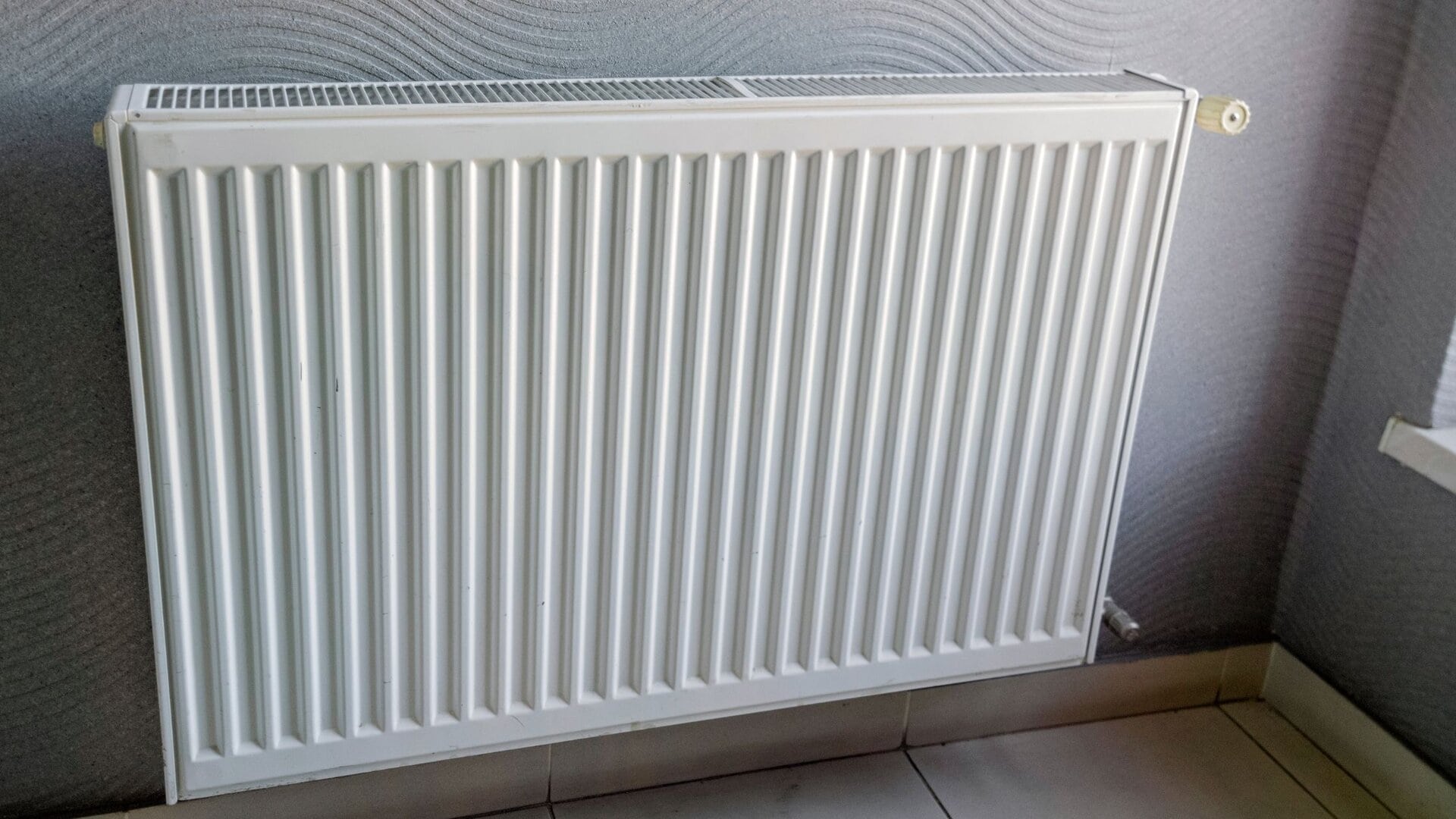
If your radiator feels hot at the top but cold at the bottom, it’s usually a sign of sludge build-up in your heating system.
This is one of the most common heating issues we see across Scarborough, Pickering, Whitby and surrounding North Yorkshire towns, especially in older properties.
While it might not seem urgent, ignoring it can increase your heating bills and shorten the lifespan of your boiler.
Here’s what’s happening and what you should do next.
Over time, your heating system naturally produces debris.
This includes:
Rust particles
Limescale
Dirt and sediment
Corrosion from pipework
This debris settles at the bottom of your radiators, forming what’s commonly known as sludge.
Because hot water enters from the top or upper side of the radiator, the top heats up first. The sludge blocks proper circulation at the bottom, leaving it cold.
Very common.
In Scarborough and coastal areas like Whitby, mineral content in water can accelerate internal corrosion. In older homes around Pickering and Malton, ageing pipework often contributes to sludge build-up.
We see it regularly in properties that:
Haven’t been serviced in several years
Have older radiators
Have had repeated pressure issues
Have never had a system flush
A cold bottom radiator isn’t just a comfort issue.
It can cause:
Higher energy bills
Slower heating response
Uneven room temperatures
Increased strain on your boiler
Long-term system damage
The boiler works harder to push water through restricted pipework, reducing efficiency.
Bleeding the radiator will not fix this issue.
Cold at the top = trapped air.
Cold at the bottom = sludge.
Sludge requires:
A chemical flush
Or a full powerflush
These processes remove debris from the system and restore proper water circulation.
You may need professional cleaning if:
Multiple radiators are cold at the bottom
Your heating takes longer than it used to
Your boiler is making unusual noises
You’ve had repeated pressure issues
Some rooms never warm properly
A heating engineer can test the system and advise whether flushing is necessary.
Because many homes across North Yorkshire are older properties, sludge build-up is extremely common.
Regular boiler servicing and system maintenance reduces the risk, but if your radiators are already cold at the bottom, it’s worth having the system checked before winter strain increases the damage.
Supreme Plumbing & Heating provide:
Radiator diagnostics
System flushing
Boiler servicing
Heating repairs
Serving Scarborough, Pickering, Whitby, Filey, Malton and surrounding areas.
If your radiators aren’t heating properly, don’t ignore the signs.
Call Supreme Plumbing & Heating to book an inspection or get in touch online.

